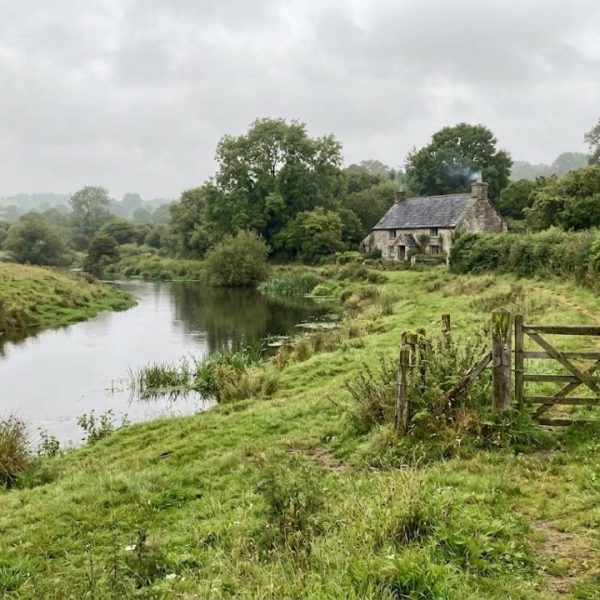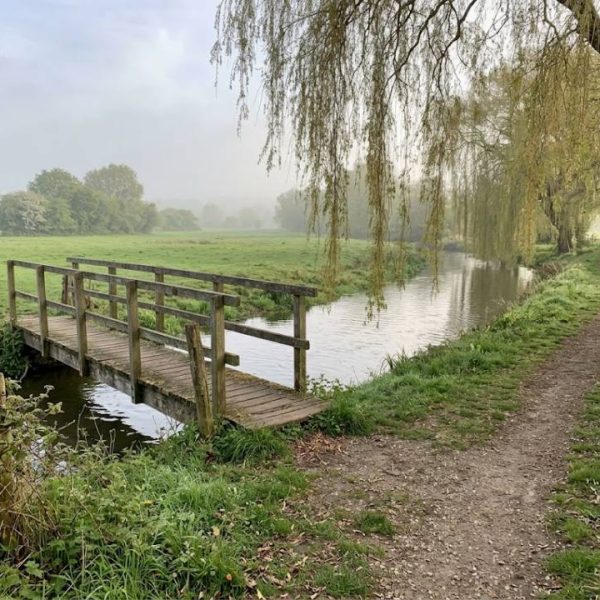
A riverside walk is one of the simplest ways to enjoy the English countryside. You need little more than comfortable shoes, a map and a free afternoon. With some planning, even a short route can turn into a memorable day out, whether you walk alone, with friends or with a family. This guide covers the practical steps for planning a scenic walk along a river.
Choosing the right route
Start by deciding how long you want to walk. A beginner may enjoy five kilometres, while regular walkers can manage fifteen or more. Check the terrain too, since riverside paths can be muddy after rain and uneven in places.
Look at circular routes if you do not want to rely on transport. A loop lets you start and finish at the same car park, village or station, which makes the day easier to manage.
Read recent comments from other walkers. They often mention closed paths, flooded sections or new signs that official maps do not show yet.
Know your rights and responsibilities
In England and Wales, many paths are public rights of way that anyone may use. The official government guidance on rights of way and open access land explains where you can walk and what the rules are for gates, fields and livestock.
Follow the Countryside Code. Keep to marked paths, close gates behind you, take your litter home and keep dogs under control, especially near farm animals and nesting birds.
A good walker leaves a place exactly as it was found, so the next person enjoys it too.
Pack for changing weather
The weather in the English countryside can change within an hour. Wear layers that you can add or remove, and carry a light waterproof jacket even when the sky looks clear.
Sturdy shoes with good grip protect you on wet grass and stony paths. Add a spare pair of socks to your bag. Wet feet are one of the quickest ways to spoil a walk.
Bring water, snacks and a fully charged phone. A paper map or a downloaded offline map is useful because mobile signal can be weak along river valleys.
Plan stops and local highlights
The best rivers have villages, old bridges, mills and pubs along their banks. Mark a few of them on your route so you can rest, eat and learn about the area.
Look for wildlife as well. Kingfishers, herons, swans and otters are all possible sights near English rivers. Walk quietly and carry binoculars if you have them.
Check opening hours before you set off. Many small cafes and village shops close early or only open at weekends outside the summer season.
Walking as a visitor from abroad
The English countryside attracts many visitors who prefer slow travel to city sightseeing. If you plan to visit from another country, learn the basics of local terms such as footpath, stile and bridleway before you arrive.
Travellers from Poland, for example, often arrive with questions about maps, signs and local rules. A guide prepared with the help of Polish translation services can make route notes and safety information easier to follow for them.
Some visitors also need paperwork before they can enter the country. A useful starting point is this explanation of translation for UK visa applications, which covers what documents may have to be translated.
Stay safe near water
Rivers look calm but can be dangerous. Stay away from steep or slippery banks, and never try to cross a flooded path. After heavy rain, choose a higher route instead.
Tell someone where you are going and when you expect to return. This simple habit makes a big difference if something goes wrong.
If you walk with children, keep them close near the water and teach them to stay behind the edge of the path. Check that your party has a plan for what to do if someone gets separated.
Capture the day without rushing
Photography is a pleasure on a river walk, with reflections, bridges and soft light in the early morning and late afternoon. Take a few photos, then put the phone away and look around.
Consider keeping a small notebook. Writing down a few lines about what you saw, heard and smelled helps you remember the walk long afterwards.
Respect private land and other people. Ask before photographing homes, farms or animals up close, and avoid disturbing wildlife for a better shot.
Make walking a regular habit
One good walk often leads to more. Try a different season on the same route to see how the river changes, with spring blossom, summer greens, autumn colour and winter frost.
Join a local walking group if you want company or advice. Many groups welcome beginners and organise easy routes with experienced leaders.
Keep a list of routes you would like to try. Planning the next outing is part of the fun and gives you something to look forward to.
Final thoughts
A scenic riverside walk needs only a little preparation. Choose a route that fits your ability, learn the rules, pack for changing weather and respect the countryside. Do that, and the river will take care of the rest.