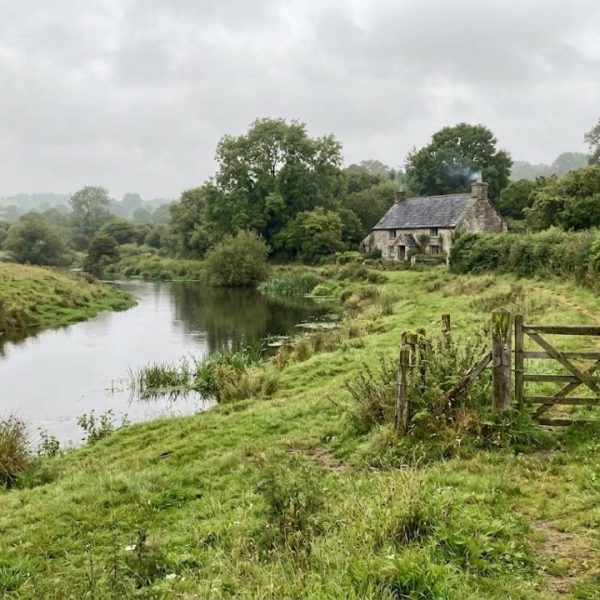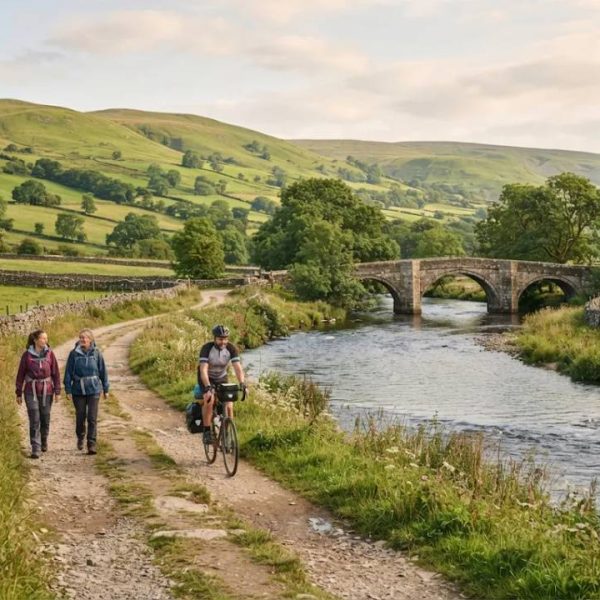
A long-distance route turns a weekend outing into a story. You follow rivers, cross villages, climb gentle hills and discover how landscapes change over several days. Whether you plan to walk, cycle or mix both, careful preparation makes the difference between a tiring slog and a trip you remember for years.
Start With the Right Distance
Be honest about your fitness and experience. Many walkers comfortably manage ten to fifteen miles a day, while cyclists can cover much more.
Shorter stages with time to look around often create better memories than rushed marathons.
Choose Your Season
Spring brings fresh green and birdsong, summer offers long days, autumn adds color and quieter paths. Winter can be beautiful, but mud, wind and short daylight require extra care.
Check typical weather for your dates before you book accommodation.
Study the Route Carefully
Download maps, guidebooks and updated route notes. Look at elevation, surfaces, river crossings and sections shared with traffic.
Mark places for water, food and rest so you can adjust your plan if conditions change.
Plan Your Stages
Divide the route into daily sections that end near accommodation, shops or transport links. Leave buffer days for rain, blisters or an extra café stop.
Flexible planning keeps the journey enjoyable.
Pack Light but Smart
Comfortable footwear, layers, rain protection, a first aid kit, water and snacks matter more than gadgets. Cyclists should add tools, a spare tube and lights.
Test your equipment on a short trip before the main journey.
Navigation Skills
Phone apps are convenient, but batteries die. Carry a paper map or printed notes, and learn to read basic signs and waymarks.
Share your plan with someone and check in regularly.
Respect the Countryside
Follow the countryside code. Keep to paths, close gates, take litter home and keep dogs under control.
Organizations such as the Ramblers promote access, conservation and responsible walking across Britain.
Stay in Local Places
Small inns, guesthouses and campsites welcome walkers and cyclists. Book early in busy seasons and ask about luggage transfer.
Spending in local businesses helps communities along the route.
Eat and Drink Along the Way
Pubs, farm shops and village bakeries make memorable stops. Carry enough water between settlements.
Trying local specialties turns the route into a food tour as well.
Welcoming Visitors From Abroad
Long-distance routes attract international travelers. Clear signs, maps and visitor information in several languages make a route friendlier.
Communities with many Polish residents and visitors, for example, benefit from accurate polish to english translation on notice boards and leaflets.
Language Tips for Travelers
Learn a few phrases for greetings, directions and emergencies. Locals and fellow walkers appreciate the effort.
Our guide to the top summer travel destinations and their languages offers ideas for preparing before you travel.
Safety First
Check forecasts, tell someone your route and know emergency numbers. Carry a charged phone and a whistle.
Turn back when weather or fatigue makes the next section unsafe.
Cycling Considerations
Choose tires suited to the surface and plan for punctures. Gears help on hills, and panniers carry gear more comfortably than backpacks.
Respect walkers on shared paths and ring your bell politely.
Photography and Journaling
Capture the details, from old stone bridges to morning mist. A short daily note adds depth to your photos.
Keep your phone ready but remember to look up from the screen.
Walking With Friends or Alone
Groups share costs and safety, while solo travelers enjoy flexibility and quiet. Either way, agree on pace and expectations.
Check in with each other at the end of every stage.
Care for Your Body
Stretch gently, drink enough water and treat hot spots on your feet immediately. Good socks make a surprising difference.
Rest well and eat well, because tired legs need fuel.
Budgeting Your Trip
Estimate accommodation, food, transport and gear. Add a reserve for repairs or unexpected changes.
Many routes offer free access, which keeps the main cost in lodging.
Leave No Trace
Pack out what you bring in, avoid picking plants and keep noise low near wildlife. The goal is for the next walker to find the path as beautiful as you did.
Small actions protect the route for everyone.
Finish With a Celebration
Plan a meal or a toast at the end. Share photos and stories, and think about your next route.
Long-distance walking has a way of making you want to start again.
Weather Surprises
British weather can change within an hour. Pack a waterproof jacket even on sunny mornings, and carry a spare dry layer in a sealed bag.
Embrace the rain as part of the experience, and plan a warm stop to dry out.
Accessible Options
Some sections suit families, buggies and wheelchairs better than others. Check surfaces, gates and gradients before you go.
Local visitor centers can suggest shorter routes with good access.